
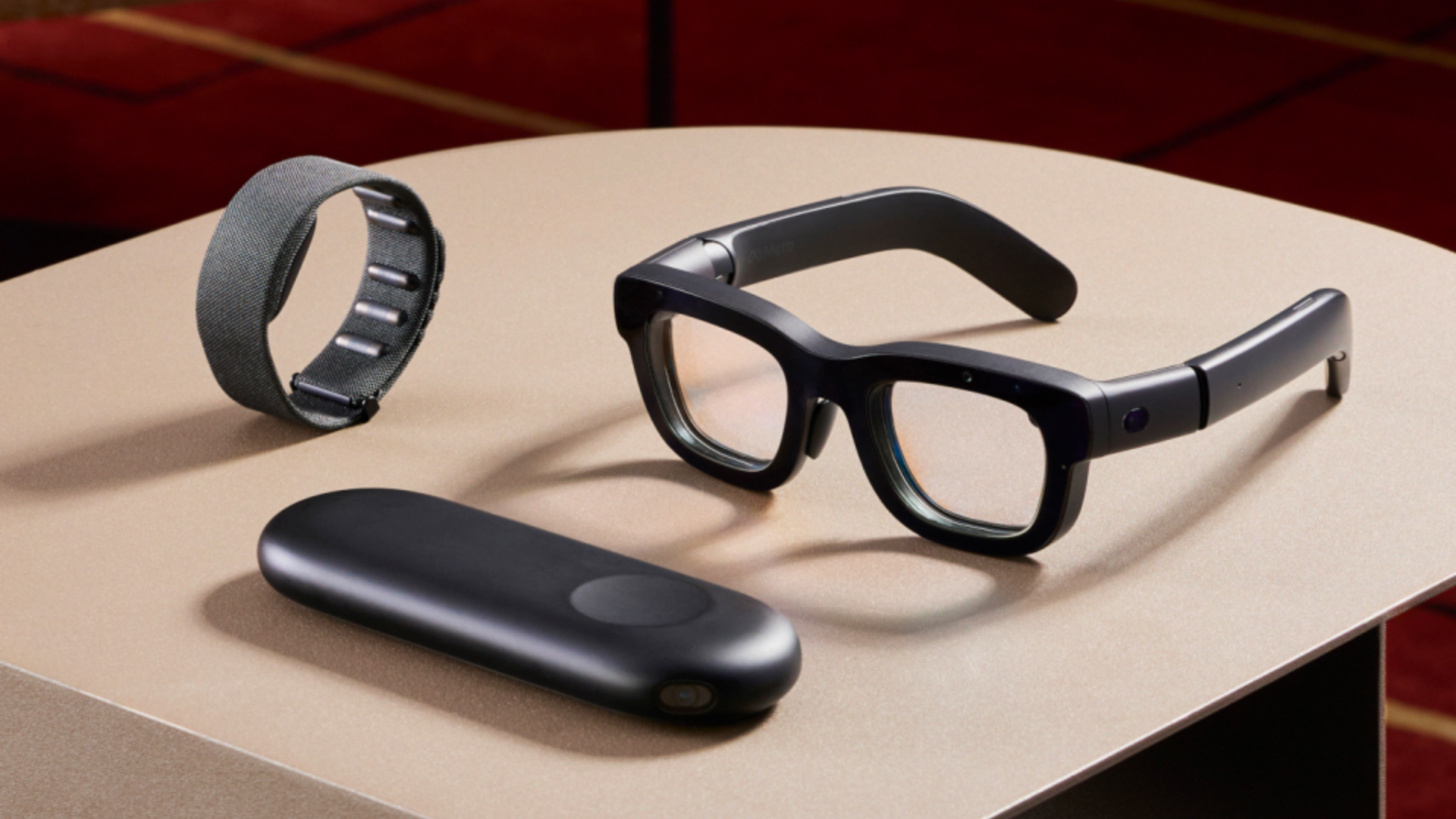
AR glasses hit key milestones in 2026. Snap launched its standalone Specs at $2,195. Viture Beast and RayNeo Air 4 Pro lead tested display performance. Meta pushes AI features in Ray-Ban styles. The smart glasses market reaches about $3.2 billion this year and grows at over 24% CAGR through 2033.
Major releases focus on real utility. Standalone processing, better Micro-OLED or waveguide displays, and improved comfort address past issues like tethering and short battery life. Shipments in the broader XR category hit millions of units, with smart glasses showing strong quarterly growth.
This guide covers the latest news, tested options, and practical decisions. It draws from hands-on reviews, specs, and market data to help you choose without wasted time or money.
Major 2026 AR Glasses Launches
Snap unveiled Specs in June 2026 at Augmented World Expo. These standalone glasses use dual Snapdragon processors—one for vision, one for AR. They feature waveguide displays with a 51-degree field of view, spatial mapping, hand tracking, and electrochromic lenses for outdoor use.
Weights sit at 132g (47mm frame) and 136g (52mm). Battery lasts around four hours, with the case providing extra charges. Pre-orders opened with a $200 refundable deposit; shipping starts fall 2026 in the US, UK, and France. Price: $2,195. Prescription inserts are available.
Meta updated its lineup with Ray-Ban Meta Gen 2 (around $379) and Display variants (up to $799). These excel in cameras, open-ear audio, and Meta AI for translations and context. They feel like normal glasses for daily wear.
Xreal, Viture, and RayNeo advanced tethered and hybrid models. Viture Beast stands out with Sony Micro-OLED panels, up to 58-degree FOV, 1200p resolution per eye, 120Hz refresh, and high brightness. RayNeo Air 4 Pro offers HDR and strong value near $299. Google and Samsung prepare “Intelligent Eyewear” partnerships with Warby Parker and Gentle Monster for later 2026.
These releases solve prior problems. No more constant phone tethering for many tasks. Displays got brighter and wider. Comfort improved for longer sessions.
Top Tested AR and Smart Glasses in 2026
Viture Beast earns top marks in most reviews. It delivers sharp, vibrant visuals with a massive virtual screen equivalent. Users get solid spatial audio and customization for work or movies. Weight distribution helps all-day comfort, though some notice minor edge blur.
RayNeo Air 4 Pro works well for budget buyers. It includes HDR support, a light blocker, and comfortable fit. Performance holds for media and light productivity at a lower price point.
Ray-Ban Meta Gen 2 suits everyday use. Stylish frames hide the tech. Camera and AI features handle photos, calls, and quick questions reliably. Battery supports full days of mixed use.
Snap Specs target users wanting full standalone AR now. Early feedback notes capable overlays and tracking, but the bulk and price limit broad appeal.
Comparison highlights trade-offs clearly. Higher-end display glasses like Viture prioritize screen quality for travel or desk replacement. AI-focused models like Ray-Ban Meta emphasize discretion and integration with your phone. Standalone options like Specs reduce reliance on other devices but cost more and weigh more.
Market data shows optical see-through glasses growing fast. IDC notes strong shipment increases as prices drop and features mature.
Practical Use Cases and Problem Solving
AR glasses address specific needs better than phones or laptops in many situations. On flights or commutes, Viture Beast turns into a large private screen without neck strain. Productivity users mirror desktops or run multiple virtual windows hands-free.
Travelers benefit from navigation overlays and real-time translation with captions. Social users capture moments discreetly or enjoy music while staying aware of surroundings. Enterprise teams use them for training, remote guidance, or field service with hands-free info.
Common problems get attention in 2026 models. Battery life remains limited—plan for 4+ hours on premium units plus cases. Comfort varies by fit; try prescription options where available. Privacy matters with cameras—Meta and Snap include indicators and controls.
Edge cases matter. Bright sunlight challenges some displays, but electrochromic or dimmable lenses help. Heat builds during heavy use. Content ecosystems are still growing, so check app support for your workflow.
These devices solve real issues like screen dependency and limited mobility. They do not replace everything yet. Test your main use case first.
Future Outlook
Apple rumors point to smart glasses possibly arriving 2026–2027 with deeper integration. Broader AI improvements will add smarter context awareness. Hardware will likely get lighter and more efficient over time.
Adoption grows steadily. Unit sales projections and market forecasts show expansion, but mainstream everyday replacement of phones is still years away. Focus on current strengths: portable displays, light AI assistance, and selective AR overlays.
Buying Guide and Recommendations
Match the device to your needs. For best visuals and versatility, start with Viture Beast around $549. Budget AR display? RayNeo Air 4 Pro. Everyday AI and style? Ray-Ban Meta Gen 2. True standalone AR experimentation? Consider Snap Specs if the price fits.
Check return policies. Look for prescription support and comfort during trials. Buy from reputable sellers like manufacturer sites or major retailers for warranty coverage.
Accessories such as cases, lens inserts, and cleaning kits extend usefulness. Firmware updates often improve performance—keep devices current.
FAQ
What are the best AR glasses right now?
Viture Beast leads most expert tests for display quality. Ray-Ban Meta wins for daily wear.
Are Snap Specs worth $2,195?
They deliver advanced standalone features. The price and weight suit early adopters or specific professional needs, not casual users.
AR display vs AI glasses?
Display models project large screens or overlays. AI models focus on cameras, audio, and voice assistance in lighter frames.
Prescription and comfort?
Many support inserts. Weights range 50–136g—lighter feels better for hours of wear.
Privacy notes?
Recording indicators exist. Review settings for AI data handling.
AR glasses in 2026 offer clear progress. They solve mobility and hands-free challenges for many users. Weigh your priorities, check current specs, and choose accordingly. The category improves fast—next models will build on these foundations.